
6 Reasons Local Merchants Hesitate to Accept Bitcoin
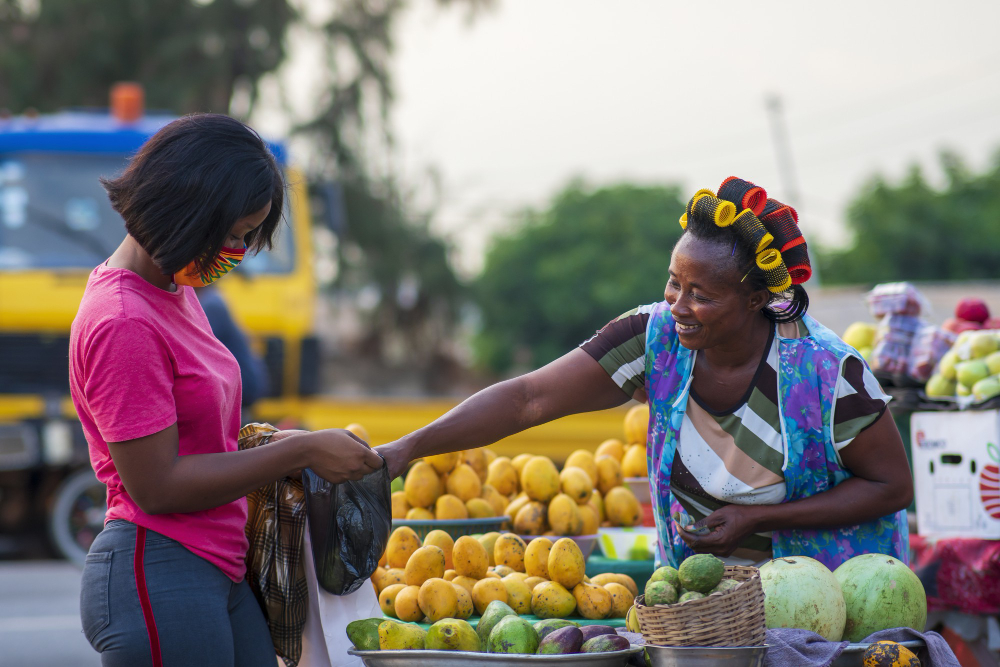
When people talk about Bitcoin adoption, merchant adoption often sounds easier than it really is.
On paper, the idea makes sense. If Bitcoin can move money quickly, lower payment friction, and open new opportunities, then businesses should be ready to accept it. But on the ground in Dodowa, Ghana, the conversation is more practical than that.
Working directly with local businesses and community members has made one thing clear: merchants do not hesitate because they are closed-minded. They hesitate because they are thinking carefully about risk, trust, and whether Bitcoin will actually help their business.
Some merchants in our community have accepted Bitcoin. That matters, because it shows adoption is possible. But it also makes one thing clear: adoption does not happen just because people hear about Bitcoin. It happens when the benefits are clear enough, the risks feel manageable, and trust has been built over time.
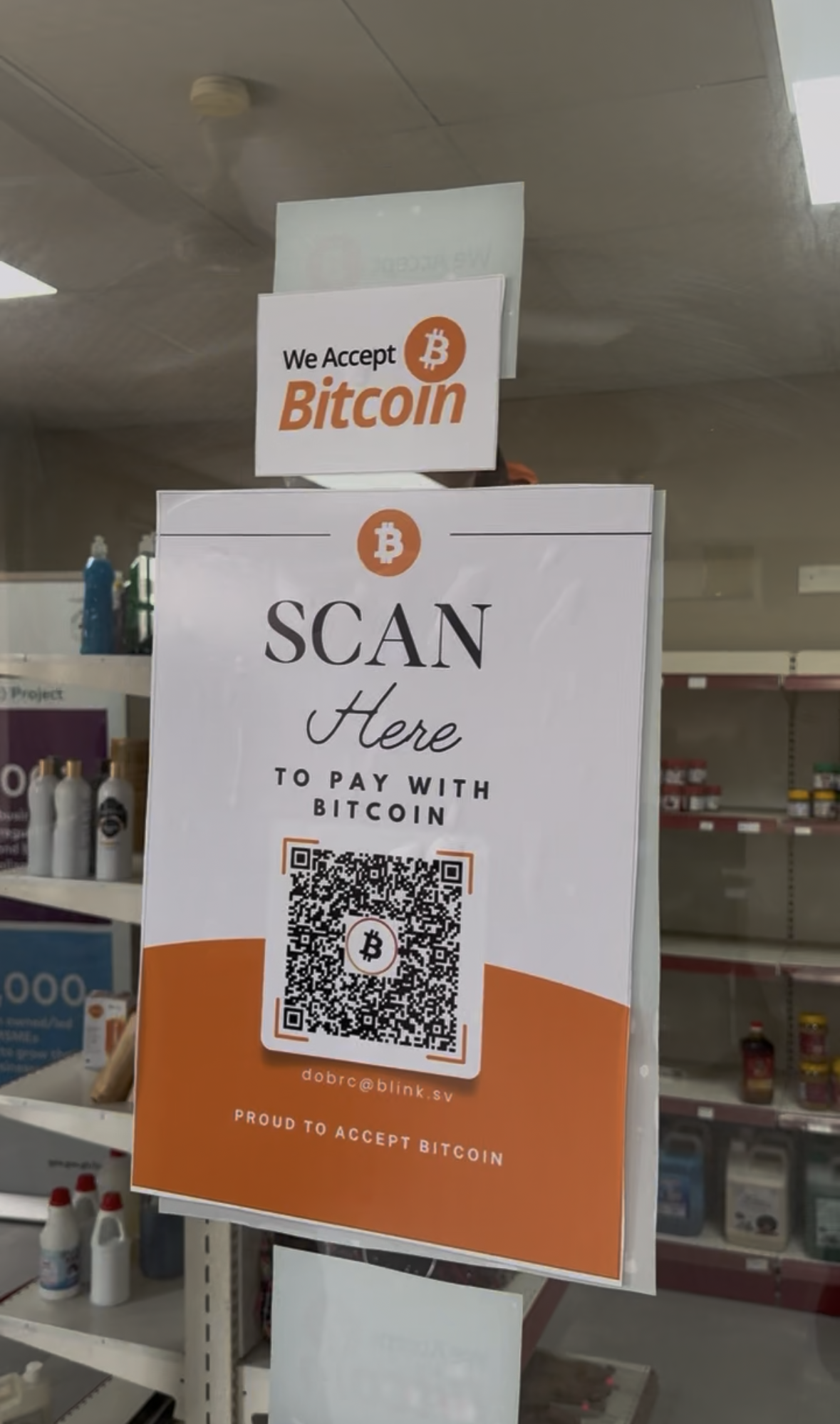
A Bitcoin payment sign displayed at a local merchant location in Dodowa, Ghana.
Here are six reasons many local merchants still hesitate.
1. Volatility Is the First Concern
In Dodowa, the merchants who already know something about Bitcoin usually raise the same issue first: volatility.
That concern is not abstract. A local business owner is thinking about stock, transport, school fees, supplier payments, and family responsibilities. If they accept payment today, they want confidence that the value will still be there when they need it. For a business operating on tight margins, short-term price swings can feel like unnecessary exposure.
Bitcoin supporters often think long term. Merchants usually have to think day to day. That difference matters.
2. Many Want to Know One Thing: How Does It Benefit Me?
For merchants who are less familiar with Bitcoin, the first question is usually not about technology. It is about usefulness.
They want to know:
- Will this bring me more customers?
- Will it help me save money?
- Will it make payments easier?
- Will it help my business grow?
If those answers are not clear, then Bitcoin feels like extra complexity. A merchant does not adopt a payment method because it is interesting. They adopt it because it solves a real problem.
3. Customer Demand Is Still Limited
A business owner responds to the habits of actual customers, not to online excitement.
Even when a merchant is open to Bitcoin, adoption can stall if only a small number of people are ready to spend with it. If customers are not asking for Bitcoin payments regularly, there is little pressure to change routines that already work.
This is why circular economy work matters so much. Merchant adoption becomes easier when there is a real local community using Bitcoin, not just a few isolated enthusiasts.
4. Trust Takes Time to Build
In many communities across Ghana, Bitcoin is still mixed up with fraud, hype, and promises that sound too good to be true.
That history shapes how merchants listen. Even when Bitcoin itself is not the problem, it can still carry the reputation of scams that used its name. A merchant who has seen people lose money before will naturally be cautious.
Trust grows slowly. It comes through honest education, visible examples, repeat interaction, and seeing people nearby use Bitcoin without confusion or drama.
5. Technical Mistakes Feel Expensive
For someone new to Bitcoin, the fear of making a mistake is real.
Merchants worry about sending to the wrong address, entering the wrong amount, losing access to a wallet, or not knowing what to do when a payment does not go exactly as expected. Even small moments of uncertainty can feel serious when money is involved.
That fear is reasonable. A shop owner does not want to experiment with customer payments in a way that could create embarrassment or loss.
6. Bitcoin Has to Fit Daily Business Reality
Local merchants are not looking for ideology. They are looking for tools that fit their daily operations.
If Bitcoin does not clearly help them improve something concrete, such as attracting customers, receiving payments more efficiently, storing value, or connecting to a wider network, then it will stay on the list of things they have heard about but not acted on.
This is where a lot of adoption conversations fail. We explain Bitcoin in big global terms, but the merchant is asking a smaller and more important question: what changes in my business if I start accepting this?
What We Are Learning in Dodowa
Our experience in Dodowa is that merchant hesitation is usually thoughtful, not hostile. People are weighing risk. They are asking practical questions. They want to understand the benefit before they make a move.
That is a healthy response.
The answer is not more pressure. The answer is better support:
- practical education,
- low-risk first experiences,
- visible use cases,
- local trust,
- and a stronger community of people ready to transact.
Some merchants in our community have already accepted Bitcoin. That is a start. But long-term adoption will depend on whether Bitcoin becomes useful enough in daily life for more businesses to see it as an opportunity instead of a distraction.
At Bitfiasi, that is the work we care about: helping people in Dodowa and across Ghana understand Bitcoin in a way that connects to real life, real trade, and real community needs.
If you are a merchant, partner, or community builder interested in this work, join one of our monthly meetups, explore our projects, or reach out to us.